


When was the last time you checked your car headlight bulb?
For many drivers, headlights are something you only think about when one stops working. Yet they play a crucial role in road safety, especially during dark winter evenings, heavy rain, and early morning commutes across the UK.
At FRM Automotive, we work with drivers every day who are surprised by how much difference a simple headlight bulb upgrade or replacement can make. This guide will walk you through everything you need to know about car headlight bulbs, from types and brightness levels to legal requirements and replacement tips.
Why Your Car Headlight Bulb Matters More Than You Think
Your headlights are about more than just helping you see. They also ensure other road users can see you clearly.
A failing or dim bulb can:
- Reduce visibility on rural or poorly lit roads
- Increase glare for oncoming drivers if incorrectly fitted
- Result in an MOT failure
- Lead to potential fines if driving with defective lights
Driving through Cambridgeshire country roads or busy town centres requires reliable lighting. Even one faulty bulb can compromise your safety.
Types of Car Headlight Bulbs
There are three main types of car headlight bulbs commonly used in the UK.
1. Halogen Headlight Bulbs
Halogen bulbs are the most common type found in standard vehicles.
Pros:
- Affordable
- Easy to replace
- Widely available
Cons:
- Shorter lifespan compared to newer technologies
- Lower brightness output
Most older vehicles use H1, H4, or H7 halogen bulbs. They are practical and cost-effective but may not provide the brightest output on darker roads.
2. HID (Xenon) Headlight Bulbs
High-Intensity Discharge, often called Xenon bulbs, produce a much brighter and whiter light.
Pros:
- Brighter than halogen
- Longer lifespan
- Improved night visibility
Cons:
- More expensive
- Can cause glare if not properly aligned
HID systems require specialised components such as ballasts, so replacement is usually more complex.
3. LED Headlight Bulbs
LED technology is increasingly popular in modern vehicles.
Pros:
- Energy efficient
- Long lifespan
- Crisp white light
Cons:
- Higher upfront cost
- Not all vehicles are compatible
LED bulbs provide excellent clarity and are now standard in many new models. However, retrofitting older cars requires care to ensure compliance with UK regulations.
How to Choose the Right Car Headlight Bulb
Choosing the correct car headlight bulb is not just about brightness. Here are the key factors to consider:
1. Check Your Vehicle Manual
Your vehicle handbook will specify the exact bulb type required. Using the wrong fitting will result in improper alignment or damage.
2. Consider Colour Temperature
Measured in Kelvin (K), colour temperature affects how the light appears:
- 3000K to 4300K: Warm white
- 5000K to 6000K: Crisp white
- 6000K+: Blue tint
Most UK road-legal headlights fall between 4300K and 6000K.
3. Think About Driving Conditions
If you regularly drive on unlit roads, a brighter bulb may improve visibility. For mainly urban driving, standard bulbs may be sufficient.
4. Stay Road Legal
In the UK, headlights must meet specific standards for beam pattern and brightness. Incorrect LED or HID conversions can lead to MOT failures. It is always safer to consult professionals before upgrading.
Signs Your Car Headlight Bulb Needs Replacing
Headlight bulbs rarely fail without warning. Watch out for:
- Dimming light output
- Flickering
- Uneven brightness between sides
- Complete failure
If one bulb has failed, it is often wise to replace both at the same time. They usually age at a similar rate.
Can You Replace a Car Headlight Bulb Yourself?
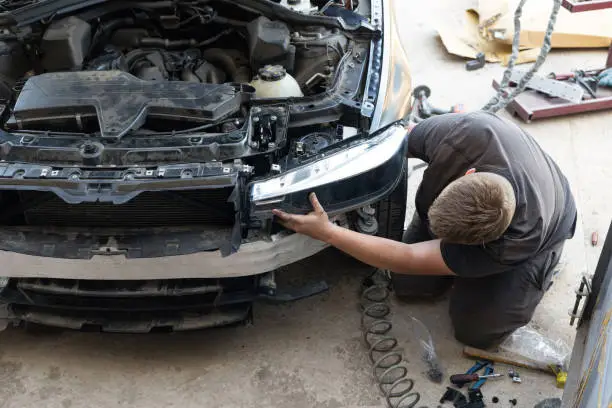
In many vehicles, replacing a halogen bulb is relatively straightforward. However, access can vary greatly depending on the make and model.
Basic steps typically include:
- Switch off the engine and lights
- Open the bonnet
- Remove the rear headlight cover
- Disconnect the power connector
- Replace the bulb carefully without touching the glass
Touching the glass can shorten the lifespan due to oil from your skin.
For HID and LED systems, replacement can be more technical. Incorrect installation may affect beam alignment, electrical systems, or cause dashboard warning lights.
The Importance of Headlight Alignment
Even with a brand-new car headlight bulb, poor alignment can:
- Dazzle other drivers
- Reduce forward visibility
- Result in MOT failure
Headlight alignment should be checked after bulb replacement, especially if you notice uneven beam patterns.
How Long Does a Car Headlight Bulb Last?
Lifespan varies depending on type:
- Halogen: 450 to 1,000 hours
- HID: Around 2,000 hours
- LED: Up to 20,000 hours
Driving habits also affect lifespan. Frequent short trips and vibration can reduce durability.
Upgrading Your Headlights: Is It Worth It?
Upgrading from halogen to higher-performance halogen bulbs can improve brightness without changing your entire system.
However, full LED or HID conversions must be carefully assessed to remain compliant with UK law. Not all reflector housings are designed for these upgrades.
Before making changes, it is worth having your lighting system checked by experienced technicians who understand both safety and legal requirements.
MOT and Headlight Bulbs in the UK
Headlights are a standard part of the MOT test. Common reasons for failure include:
- Non-working bulbs
- Incorrect beam pattern
- Excessively blue light
- Headlights that are not secure
Regular servicing helps identify lighting issues before they become costly problems.
The Role of Professional Vehicle Servicing
While replacing a car headlight bulb might seem minor, lighting systems are part of your car’s wider electrical network. Modern vehicles rely heavily on integrated electronics.
Professional servicing ensures:
- Correct bulb fitting
- Proper alignment
- Electrical system checks
- Early detection of other faults
This is especially important with newer vehicles featuring adaptive lighting systems.
Why Regular Checks Make All the Difference
Many drivers only discover lighting issues during an MOT or when pulled over. A simple periodic check can prevent inconvenience and improve safety.
We recommend:
- Checking headlights monthly
- Testing before long journeys
- Replacing bulbs in pairs
- Cleaning headlight lenses regularly
Cloudy or oxidised headlight covers can significantly reduce light output, even with new bulbs fitted.
Keep Your Vehicle Safe with FRM Automotive
Your car headlight bulb is a small component that plays a big role in road safety. Whether you need a simple replacement, a lighting system check, or a full vehicle inspection, professional servicing ensures everything works exactly as it should.
At FRM Automotive in Peterborough, we help drivers stay safe, road legal, and confident behind the wheel. Our car servicing checks cover lighting systems, electrical components, and overall vehicle health, helping to prevent unexpected failures and costly repairs.
If you want peace of mind before your next MOT or long journey, get in touch with FRM Automotive today to learn more about our comprehensive car servicing services and how they can keep your vehicle performing at its best.

