


If your car has suddenly refused to start, your dashboard lights are flickering, or your battery keeps going flat, you might be dealing with a failing alternator. While many drivers immediately assume the battery is at fault, the real issue could be the component responsible for keeping that battery charged in the first place.
In this guide, we’ll break down everything you need to know about alternator replacement. From understanding what the alternator does to recognising the warning signs and knowing what the replacement process involves, this article will help you make informed decisions about your vehicle.
What Does an Alternator Do?
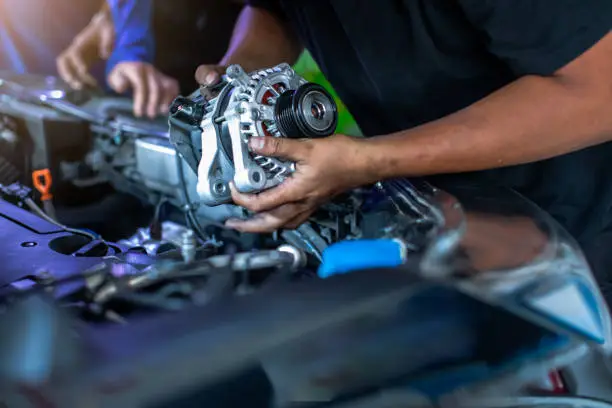
Your alternator is a key part of your car’s electrical system. In simple terms, it generates electricity while your engine is running.
It performs two essential jobs:
- Charges your car battery
- Powers electrical systems while driving
When the engine runs, it turns a belt connected to the alternator. The alternator converts mechanical energy into electrical energy, which keeps your battery charged and powers systems such as:
- Headlights
- Dashboard instruments
- Heated seats
- Infotainment systems
- Electric windows
- Charging ports
Without a functioning alternator, your vehicle will rely entirely on battery power. Once the battery drains, the engine will stall and refuse to restart.
Common Signs You Need an Alternator Replacement
Catching the warning signs early can prevent breakdowns and costly recovery charges. Here are the most common symptoms of alternator failure.
1. Battery Warning Light on the Dashboard

If you see a battery-shaped warning light appear while driving, it does not always mean your battery is faulty. It often signals a charging system issue, which typically involves the alternator.
Ignoring this light can lead to sudden loss of power while driving.
2. Dimming or Flickering Lights
If your headlights seem unusually dim or your dashboard lights flicker, your alternator may not be supplying consistent voltage. This becomes more noticeable at night or when using multiple electrical features.
3. Flat or Frequently Draining Battery
If you’ve replaced your battery but it continues to go flat, the alternator could be failing to recharge it. A healthy alternator should keep your battery topped up while driving.
4. Strange Noises from the Engine Bay
A failing alternator can produce grinding or whining sounds. This may be caused by worn bearings or issues with the internal components. Sometimes the drive belt connected to the alternator can also wear out or loosen.
5. Electrical Failures
Malfunctioning electric windows, erratic infotainment systems, or slow windscreen wipers can all indicate voltage problems linked to the alternator.
What Causes Alternator Failure?
Alternators are built to last, but like any mechanical component, they eventually wear out. In the UK, many alternators last between 80,000 and 150,000 miles, depending on driving conditions.
Common causes include:
- Worn internal bearings
- Faulty voltage regulator
- Damaged wiring
- Drive belt issues
- Water contamination
- General wear and tear
Frequent short journeys can also strain your charging system, as the battery may not receive a full recharge.
How Is an Alternator Diagnosed?
Before proceeding with an alternator replacement, a proper diagnostic check is essential. Professional garages use voltage testing equipment to measure output.
A typical test involves:
- Checking battery voltage with the engine off
- Measuring voltage while the engine is running
- Inspecting the drive belt
- Testing charging performance under load
If the alternator output falls outside recommended voltage ranges, replacement is usually required.
The Alternator Replacement Process
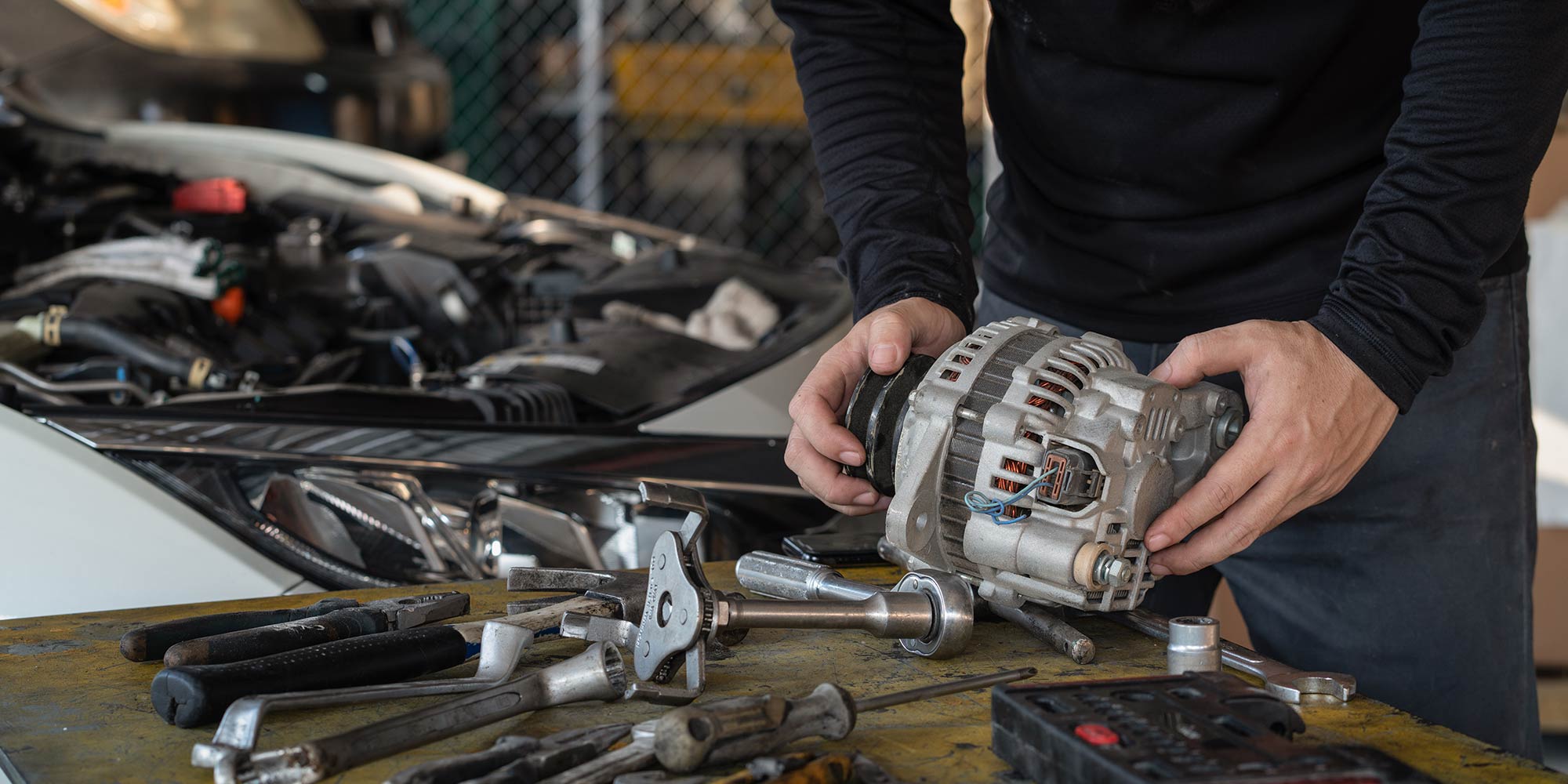
While the exact process varies by vehicle make and model, alternator replacement typically involves:
- Disconnecting the battery
- Removing the drive belt
- Disconnecting electrical connectors
- Unbolting and removing the old alternator
- Installing the new unit
- Refitting the belt and testing the system
In some vehicles, access can be straightforward. In others, components may need to be removed to reach the alternator, increasing labour time.
How Much Does Alternator Replacement Cost in the UK?
The cost depends on your vehicle type, the alternator specification, and labour rates.
On average:
- Parts: £150 to £400
- Labour: £100 to £300
- Total typical cost: £250 to £700
Premium vehicles or models with complex engine layouts may cost more. It’s always advisable to request a full breakdown before authorising repairs.
Can You Drive with a Faulty Alternator?
Technically, yes, but only for a short distance. Once the alternator stops charging the battery, your car runs solely on stored battery power.
Depending on battery condition and electrical load, you may only have:
- 15 to 60 minutes of driving before total failure
Driving with a failing alternator risks:
- Engine stalling
- Power steering loss
- Headlight failure
- Breakdown recovery costs
If you suspect alternator issues, it’s safer to have your vehicle inspected immediately.
Is It Worth Repairing or Replacing?
In most cases, replacing the alternator is more reliable than attempting internal repairs. Modern alternators contain integrated electronics, and individual part repairs may not offer long-term reliability.
A quality replacement unit, properly installed, restores full charging performance and peace of mind.
How to Extend Alternator Life
While wear is inevitable, you can help prolong alternator lifespan by:
- Replacing worn drive belts promptly
- Avoiding excessive electrical loads when idling
- Ensuring your battery is in good condition
- Addressing dashboard warning lights immediately
- Having regular vehicle servicing
Routine inspections can identify early signs of charging system wear before complete failure occurs.
Alternator Replacement vs Battery Replacement
It’s common for drivers to confuse battery and alternator problems.
Here’s a simple comparison:
| Battery Issue | Alternator Issue |
|---|---|
| Car won’t start but jump start works | Car stalls while driving |
| No dashboard lights at all | Battery warning light on |
| Battery older than 4-5 years | New battery keeps going flat |
| No electrical flickering | Flickering or dim lights |
If unsure, a professional diagnostic check will quickly determine the root cause.
Why Prompt Alternator Replacement Matters
Delaying alternator replacement can lead to:
- Breakdown at inconvenient times
- Damage to electrical components
- Battery failure
- Increased repair costs
For UK drivers who rely on their vehicles for commuting, family life, or business, a reliable charging system is essential.
Need Help with Alternator Replacement?
If you’re experiencing warning lights, electrical issues, or repeated battery problems, don’t leave it to chance. A professional inspection can confirm whether alternator replacement is required and prevent unexpected breakdowns.
At FRM Automotive, we support drivers across Peterborough and surrounding areas with reliable car servicing solutions designed to keep vehicles running smoothly. Our servicing process includes thorough system checks, helping to identify charging faults early before they turn into costly repairs.
Whether you need diagnostics, alternator replacement, or full vehicle servicing, our team is here to help you maintain performance, safety, and reliability. Get in touch with FRM Automotive today to learn more about our car servicing services and discover how proactive maintenance can protect your vehicle and your peace of mind.

