


When it comes to vehicle safety, most drivers think about tyres, brakes, and lights. But there’s one simple component that often gets overlooked until it’s too late: your wiper blades.
In the UK, where rain is part of daily life rather than a seasonal inconvenience, properly functioning wiper blades are essential. Whether you’re commuting through city traffic or driving along rural roads during a downpour, clear visibility can make all the difference.
In this guide, we’ll cover everything you need to know about wiper blades UK drivers rely on. From choosing the right type to understanding when to replace them, this blog will help you stay safe on the road.
Why Wiper Blades Matter So Much in the UK
The UK climate is famously unpredictable. Sudden showers, heavy rainfall, mist, sleet, and winter frost can all affect visibility. According to road safety data, reduced visibility is a major contributing factor in many accidents.
Your wiper blades are responsible for:
- Clearing rainwater from the windscreen
- Removing dirt and road grime
- Improving visibility in foggy conditions
- Maintaining a safe field of vision at night
If they smear instead of clear, skip across the glass, or make a squeaking noise, they’re no longer doing their job effectively.
Types of Wiper Blades Available in the UK
There are several types of wiper blades available across the UK market. Choosing the right one depends on your vehicle and driving conditions.
1. Standard Frame Wiper Blades
These are the traditional style with a metal frame. They are affordable and widely available. However, they can struggle in extreme weather, particularly when ice builds up in winter.
2. Flat (Beam) Wiper Blades
Flat blades have become increasingly popular in the UK. They offer better contact with the windscreen and are more aerodynamic. They also perform well in heavy rain and are less prone to ice buildup.
3. Hybrid Wiper Blades
Hybrid blades combine the structure of frame blades with the sleek design of beam blades. They offer improved durability and strong wiping performance.
4. Rear Wiper Blades
Many hatchbacks, SUVs, and estates have rear wipers. These are often overlooked but equally important for safe reversing and motorway driving.
How Often Should You Replace Wiper Blades in the UK?
Most manufacturers recommend replacing wiper blades every 6 to 12 months. However, UK weather can shorten their lifespan.
You should replace your wiper blades if you notice:
- Streaks across the windscreen
- Squeaking or chattering noises
- Visible cracks in the rubber
- Missed patches during wiping
- Reduced performance during heavy rain
Winter conditions can accelerate wear due to frost, ice, and road salt. Even summer heat can cause rubber to degrade faster than expected.
A good rule of thumb is to check them during every service or MOT preparation.
Signs Your Wiper Blades Are Failing
Wiper blades rarely fail suddenly. They usually give warning signs.
Streaking
This happens when the rubber edge becomes uneven or damaged. Instead of clearing water, it leaves lines across your vision.
Juddering
If the blade jumps or vibrates across the glass, it may be hardened or misshapen.
Squeaking
Noise often indicates the rubber has dried out or the blade isn’t making proper contact.
Split Rubber
Visible cracks or splits mean the blade needs immediate replacement.
Ignoring these signs can increase stopping distance and reduce reaction time during wet conditions.
How to Choose the Right Wiper Blades in the UK
Choosing the correct wiper blades isn’t just about brand preference. It’s about fit and compatibility.
Here’s what to consider:
1. Correct Size
Different vehicles require different blade lengths. Your owner’s manual will list the correct sizes for driver, passenger, and rear blades.
2. Attachment Type
UK vehicles use various connector types including hook, bayonet, and push-button fittings. Always ensure compatibility before purchasing.
3. Weather Resistance
Given the UK climate, investing in quality all-weather blades is usually worthwhile.
4. Brand Quality
Reputable brands often provide better rubber compounds and longer lifespan.
If you’re unsure, a professional garage can quickly identify and fit the correct blades.
Can You Replace Wiper Blades Yourself?
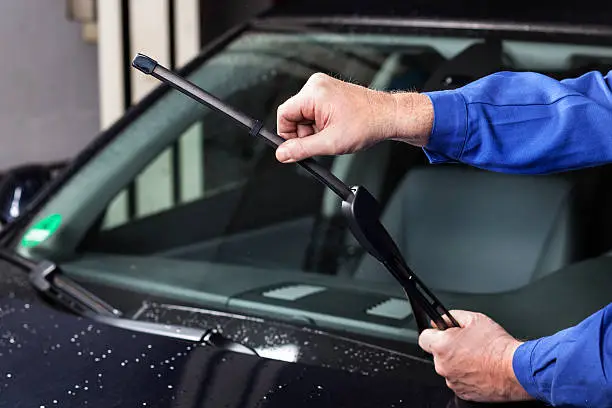
Yes, replacing wiper blades is generally straightforward. Most modern blades come with instructions and universal fittings.
Basic steps include:
- Lift the wiper arm away from the windscreen
- Press the release tab
- Slide the old blade off
- Attach the new blade until it clicks into place
- Lower it gently back onto the windscreen
However, if fitted incorrectly, blades can detach while driving. If you’re not confident, it’s always safer to have them installed professionally.
The Importance of Windscreen Maintenance
Wiper blades don’t work alone. The condition of your windscreen also affects performance.
- Clean your windscreen regularly
- Top up washer fluid frequently
- Use a proper screenwash formula
- Avoid using worn blades on a dry screen
Dirt buildup increases friction and wears rubber faster. Regular cleaning extends blade lifespan and improves visibility.
Seasonal Considerations for UK Drivers
Winter
Ice and frost are major causes of blade damage. Never force frozen blades off the windscreen. Instead, defrost the glass first.
Consider winter-specific blades if you regularly drive in colder regions.
Autumn
Leaves and debris can clog blades and cause uneven wiping. Clean both the glass and blade edges regularly.
Summer
Heat can dry out rubber. Parking in shaded areas helps prevent premature cracking.
MOT and Wiper Blades in the UK
Wiper blades are checked during the MOT test. According to Driver and Vehicle Standards Agency guidelines, wipers must:
- Clear the windscreen effectively
- Be secure and undamaged
- Operate correctly with washer systems
If your blades fail to clear the windscreen properly, your vehicle may fail its MOT.
That’s why checking them before your MOT appointment can save both time and inconvenience.
Are Premium Wiper Blades Worth It?
Many UK drivers opt for cheaper blades, especially when replacing them frequently. However, premium blades often:
- Last longer
- Perform better in heavy rain
- Reduce noise
- Offer improved aerodynamics
In areas with consistent rainfall, the extra investment can provide better long-term value.
The Safety Impact of Poor Visibility
Driving in heavy rain already reduces traction and increases braking distance. Add smeared or streaked visibility, and the risks multiply.
Clear vision allows you to:
- Spot hazards earlier
- Maintain proper lane positioning
- See brake lights ahead
- React to sudden obstacles
Something as small as worn wiper blades can significantly impact safety during motorway speeds or rural night driving.
Why Regular Vehicle Checks Matter
Wiper blades are just one small part of overall vehicle maintenance. Routine servicing ensures all components are working together to keep you safe.
During a professional service, technicians can:
- Inspect wiper condition
- Check washer fluid systems
- Examine windscreen integrity
- Identify early signs of wear
Preventative maintenance always costs less than emergency repairs.
Keep Your Vision Clear with Professional Car Servicing
At FRM Automotive, we understand how important every detail is when it comes to vehicle safety. Wiper blades might seem minor, but they play a crucial role in protecting you and your passengers on UK roads.
Our comprehensive car servicing checks all essential components, including your wiper blades, washer system, tyres, brakes, and more. We focus on preventative care so small issues never become costly problems.
If you want peace of mind before the next rainy commute, motorway journey, or MOT, our expert servicing team is here to help. Book your professional car service with FRM Automotive today and drive with confidence, whatever the British weather brings.

